
houseboat investment UAE · floating business Dubai · waterfront experiences UAE · marine tourism UAE
From Yacht Culture to Houseboat Ventures: Why UAE Entrepreneurs Are Investing in Waterfront Business Assets
A practical look at how houseboats, floating lounges, and waterfront platforms can support hospitality, tourism, and private business experiences in the UAE.
From Yacht Culture to Houseboat Ventures: Why UAE Entrepreneurs Are Investing in Waterfront Business Assets
The UAE has always understood the commercial power of waterfront experiences. Marinas, beach clubs, island resorts, yacht charters, and waterfront restaurants are not just lifestyle amenities. They are business engines.
Now a new category is becoming more interesting to entrepreneurs: houseboats and floating business assets.
For investors, operators, and hospitality founders, a well-built houseboat can be more than a private retreat. It can become a mobile venue, a branded experience, a short-stay hospitality product, or a premium networking space.
Why Water-Based Businesses Feel Different
People remember experiences that break routine.
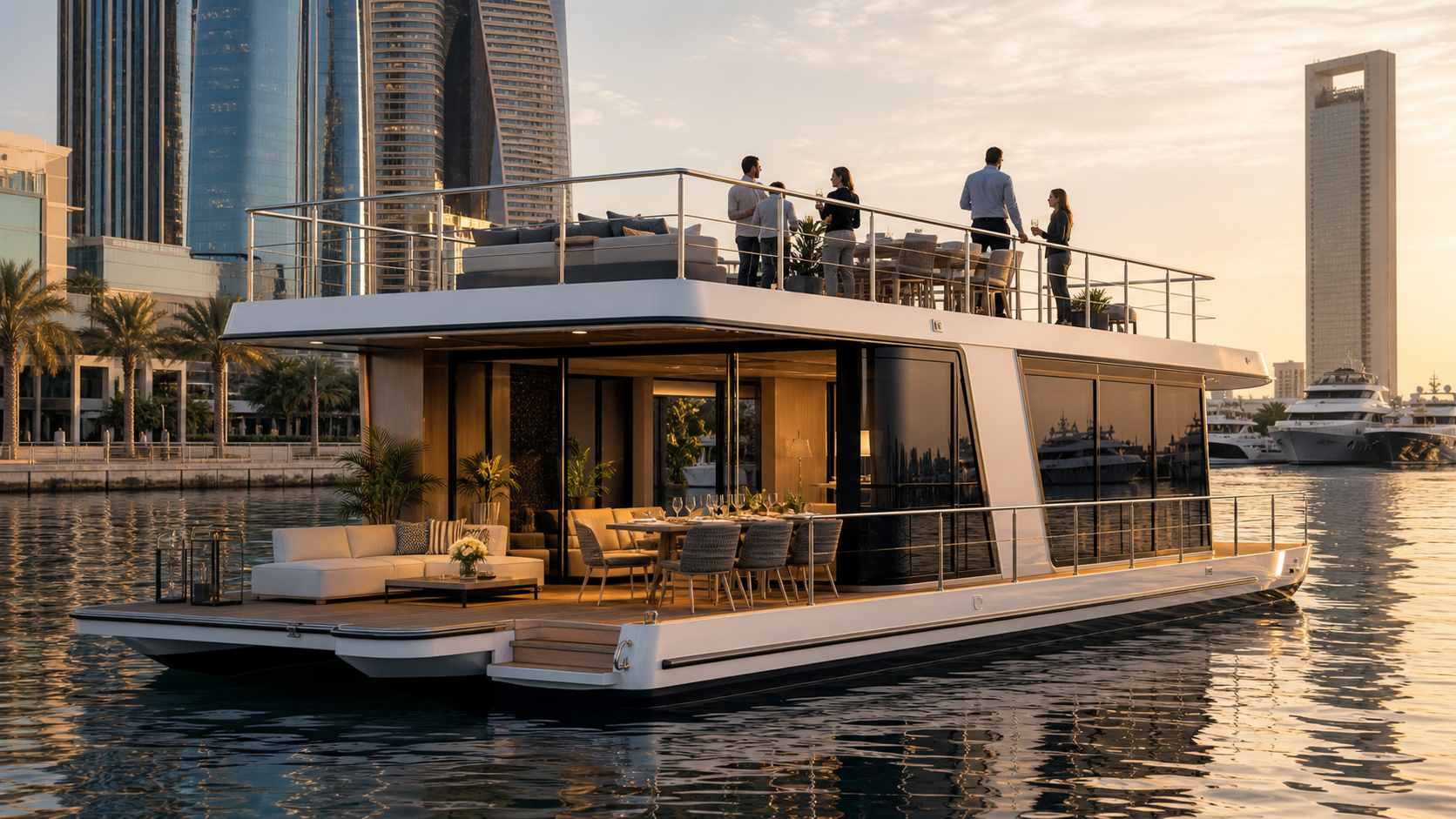
A meeting in a boardroom is useful. A meeting on the water is memorable. A private dinner in a restaurant is familiar. A private dinner on a floating deck, with skyline views and sea air, feels like an occasion.
That difference matters because modern customers increasingly pay for:
- Atmosphere
- Privacy
- Shareable moments
- Convenience
- Design
- Personal attention
Houseboats sit directly inside that demand.
The UAE Advantage
Dubai and Abu Dhabi have the ingredients that make water-based businesses work:
- Strong tourism demand
- High marina visibility
- Year-round waterfront development
- A culture of private events and hospitality
- Residents who value premium leisure experiences
- Regional demand from GCC travelers
The opportunity is not only in yachts. It is in the wider marine lifestyle: floating lounges, waterfront stays, private dining decks, wellness retreats, and branded hospitality concepts.
What Makes a Houseboat a Business Asset?
A houseboat becomes a business asset when it is designed around revenue use rather than only private enjoyment.
That changes the brief.
Instead of asking only "How many bedrooms do I need?", an operator should ask:
- How many guests will use the deck safely?
- What layout supports service flow?
- Is the kitchen designed for private use or hospitality use?
- How easy is cleaning between bookings?
- Can guests board comfortably?
- Is the power system sized for events?
- Does the vessel meet the right operating and certification requirements?
The best commercial houseboats feel effortless to guests because the hard decisions were handled during design.
Business Models That Fit Houseboats
Several models can work in the UAE and GCC, depending on marina access, licensing, crew, and operator capability.
Private Event Venue
A houseboat can host small corporate gatherings, launches, founder dinners, family celebrations, or VIP meetings. The vessel becomes a private, controlled environment with a stronger sense of occasion than a conventional venue.
Premium Short-Stay Rental
Some operators position houseboats as boutique waterfront stays. This model depends heavily on marina permissions, guest logistics, cleaning, security, and platform management.
Floating Brand Experience
Luxury brands, wellness companies, real estate developers, and tourism operators can use a houseboat as a temporary showroom or experience platform.
Charter Support Asset
A houseboat can work alongside yacht charter operations as a stationary hospitality base, pre-event lounge, or private dining platform.
Owner-Operator Lifestyle Business
For entrepreneurs who want a business that also supports their lifestyle, a houseboat can serve both private use and carefully managed commercial use.
The Numbers Start With Utilization
The key question is not "What does the boat cost?"
The key question is:
How often can the asset be used responsibly?
Utilization drives the business case. A beautifully designed houseboat that sits empty is a cost center. A well-managed houseboat with consistent bookings, disciplined maintenance, and clear positioning can become a differentiated hospitality asset.
Operators should model:
- Marina fees
- Insurance
- Cleaning and turnaround
- Crew or captain costs
- Fuel and utilities
- Maintenance reserves
- Marketing and booking fees
- Seasonal demand
The Gulf rewards operators who plan for heat, salt, humidity, and high expectations.
Design Choices That Protect Revenue
Commercial use is harder on a vessel than private use. Materials, systems, and circulation need to be chosen accordingly.
Important decisions include:
- Durable flooring that handles wet feet and frequent cleaning
- Marine-grade upholstery that resists UV and salt
- Practical storage for service items
- Easy access to pumps, filters, and electrical systems
- Shaded outdoor areas
- Reliable air conditioning
- Clear guest movement from boarding to lounge to deck
Small design choices become operational savings later.
Why After-Sales Support Matters
For a commercial operator, downtime is expensive. A failed AC unit, pump, battery bank, or thruster can cancel bookings and damage reputation.
That is why after-sales support is not a bonus. It is part of the business model.
Owners should look for:
- Responsive service teams
- Clear warranty coverage
- Maintenance plans
- Fast access to parts
- Practical training for operators
- Documentation for systems and handover
A business asset needs business-grade support.
Where 101 Marine Fits
101 Marine builds houseboats and marine solutions for private leisure, commercial use, and customized waterfront experiences across the UAE and GCC.
For entrepreneurs, that means the conversation can start with the business model, not just the boat length.
The right build brief connects:
- Guest experience
- Operating profile
- Marina constraints
- Certification pathway
- Interior durability
- Maintenance plan
- Long-term resale value
That is how a vessel becomes more than a beautiful object. It becomes a platform.
Final Thoughts
The next wave of marine business in the UAE will not only be about bigger yachts. It will be about better experiences.
Houseboats give entrepreneurs a flexible way to create those experiences: private, memorable, premium, and close to the water.
For investors willing to plan carefully, the opportunity is real. The winners will be the operators who treat design, service, and maintenance as seriously as marketing.
On the water, details become the business.
Have questions on anything in this piece? Send a note via /contact — we read every reply.
Written by
The 101Marine team
Field notes from the team that designs and builds 101Marine houseboats. We write when we have something practical to share.
More from Buying & Owning
See all →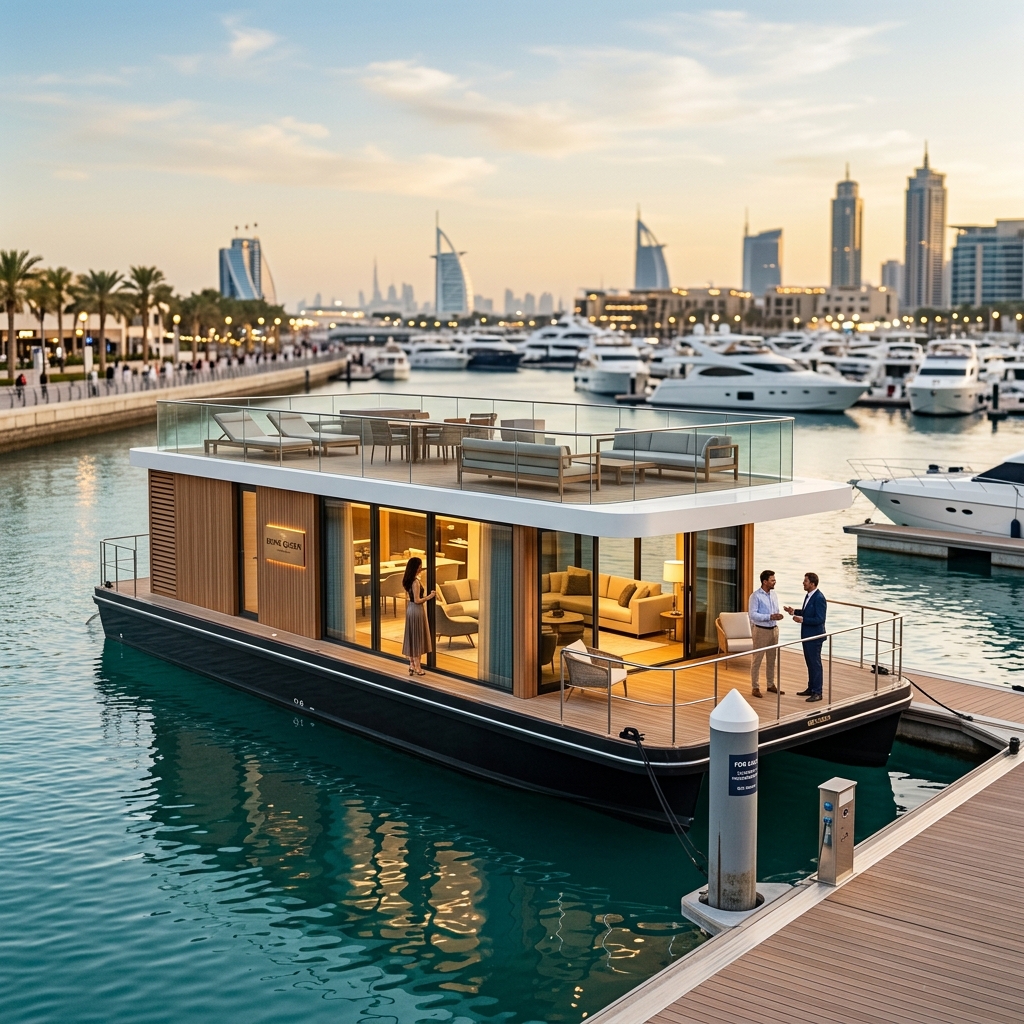
Buying & Owning
Houseboat resale in the GCC — what holds value, what doesn't
The secondary market for UAE houseboats is small but consistent. Boats that hold value share specific characteristics; boats that don't share predictable failures. A study.
Buying & Owning
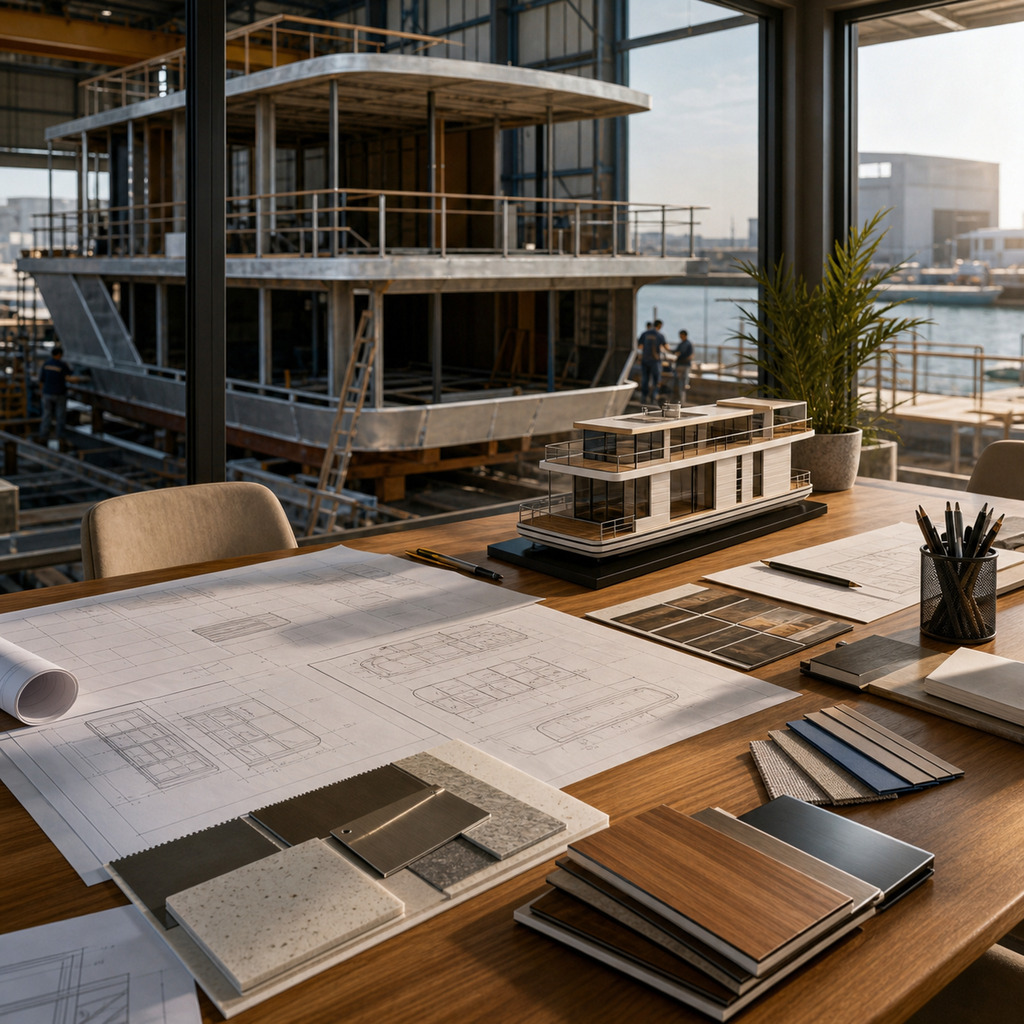
The mistakes new custom-build owners make (before construction even starts)
Most regrets in a custom houseboat trace back to decisions made before steel was cut. Five common patterns we've watched dozens of new owners walk into.
Buying & Owning
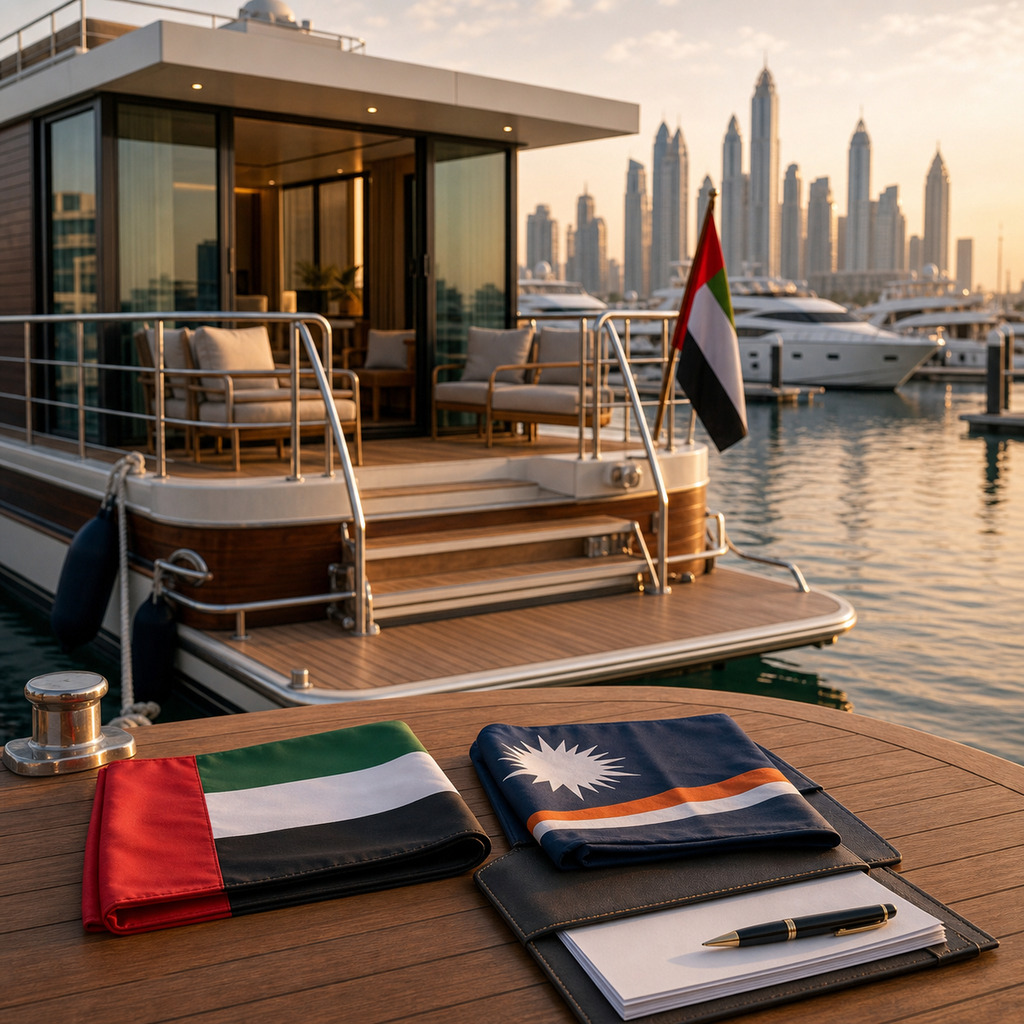
Flagging a houseboat — UAE vs offshore registration
Personal preference, tax considerations, charter use, and resale. The factors that determine whether to flag your boat in the UAE or pick an offshore register.