
safety · checklist · owners · beginners
The 30-minute pre-departure check that prevents 90% of trouble
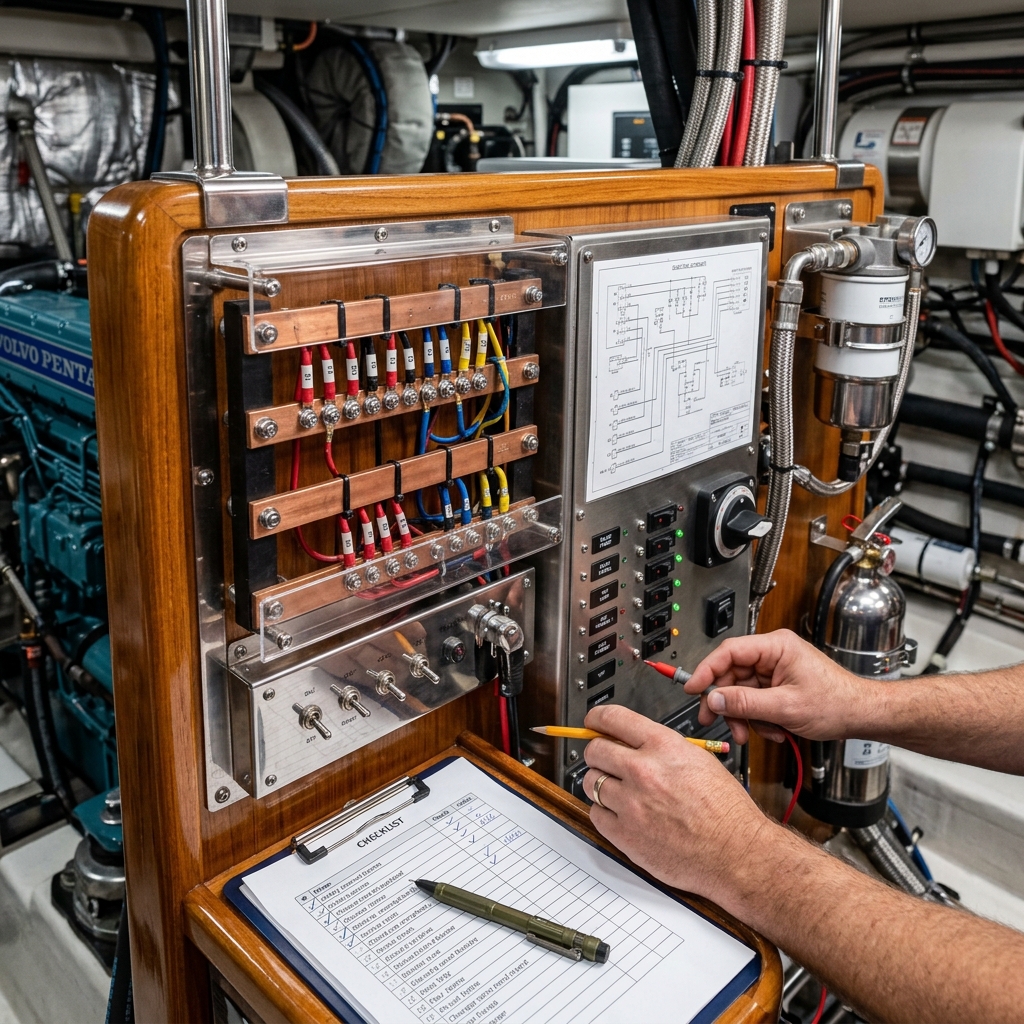
A printable working checklist — engine room, deck, electrical, safety, weather. The owner habits that catch problems before they leave the dock.
The most common cause of a ruined day on the water isn't bad weather, it's an unchecked seacock or an unnoticed bilge pump fault. The second most common is leaving harbour without enough fuel. The third is a guest who didn't know how to use the heads.
A short pre-departure ritual catches all three plus 90% of everything else that goes wrong. We've worked this checklist out with a hundred owners over the years; it lands at almost exactly 30 minutes for a captain who knows their boat, longer the first few times.
Print it, laminate it, leave it on the chart table. It earns back its 30 minutes the first time it catches a flat battery before you cast off.
Step 1 — Engine room (5 minutes)
Open the hatches. Hatches that haven't been opened since the last trip have stories to tell.
- Bilge. Standing water? More than usual? Where's it from?
- Engine oil. Check level on cold engine, before starting. Top up if needed; note the rate of consumption since last check.
- Engine coolant. Visible level in the expansion tank. Discoloured coolant is a service item; brown coolant is a problem.
- Fuel level. Confirm at the gauge AND at the tank dipstick (gauges lie occasionally; dipsticks don't).
- Fuel filter. Visible water in the bowl? Drain it if so.
- Engine belts. Quick visual — cracked, loose, glazed, missing? Walk the belt run with a torch.
- Battery terminals. Tight, no corrosion, no green crust around the post.
- Seacocks. Each one — open the ones you'll need, closed the ones you won't. A frozen seacock is a service item; deal with it before next trip.
If anything in this list is unfamiliar territory, spend a half-day with a marine technician walking through it. The investment is small and the dividend lasts the life of the boat.
Step 2 — Deck and rigging (5 minutes)
Walk the perimeter:
- Cleats. Tight, not corroded, not loose under the deck.
- Stanchions and lifelines. Solid; no give when you lean against them.
- Anchor and chain. Anchor properly secured for transit; chain markers visible.
- Boarding gates and stairs. Closed, locked, or secured properly.
- Tender. Tied off; if davited, secured; oil and fuel topped up if it's a separate engine.
- Loose items. Anything on the deck or bridge that'll move when the boat moves? Stow it now or watch it move later.
Step 3 — Electrical and electronics (4 minutes)
- Battery switch. Position correct (typically "Both" for departure).
- Shore power cord. Disconnected and stowed; cover replaced over the inlet.
- House battery voltage. Above 12.4V (lead-acid) or 13.0V (lithium) for a healthy state. Lower means a charging issue.
- Navigation lights test. Bow, stern, masthead, anchor light. Two minutes with a deckhand confirms each.
- Bilge pump test. Manual override switch, listen for the pump motor; or pour a litre of water in the bilge and watch it pump out.
- VHF radio. Powered on, channel 16 squelched correctly, volume audible.
- Chart plotter / navigation system. Booted, GPS lock confirmed, route loaded if you have one.
Step 4 — Plumbing (3 minutes)
- Fresh water tank. Full, or at least 60%. Confirm at the tank gauge.
- Holding tank. Not full. If above 80%, pump out before leaving.
- Water pump. Run a tap for 10 seconds; pump should cut out cleanly when you close the tap.
- Hot water. Heating up; no leaks visible.
- Heads. Each one, one flush. Confirm valve operation, no leaks at the macerator.
Step 5 — Safety equipment (4 minutes)
- Life jackets. One per person, plus 25% buffer. Adult and child sizes as appropriate.
- Throwable flotation device (ring buoy or horseshoe). Accessible at the helm without rummaging.
- Fire extinguishers. Pressure gauges in the green; no expired tags.
- First aid kit. Sealed, in date.
- Flares. In date; spare lighter available; flare gun loaded if applicable.
- EPIRB / PLB. Battery indicator green; registered; logged in the trip plan.
- Boat hook, fenders, dock lines. Within reach for arrival manoeuvres.
Step 6 — Crew and guest briefing (5 minutes)
If anyone aboard hasn't been on this specific boat before, give them the orientation:
- Heads. How to flush, what NOT to flush. The single most common cause of guest disasters.
- Life jackets. Where they live, how to put them on.
- Emergency stop. Where the engine cut-off is, what to do if the captain is incapacitated.
- Galley basics. Stove safety, where the fire blanket is.
- Anchor and lines. Hands-off unless asked.
- Movement underway. One hand for yourself, one for the boat. Especially on the bridge.
This briefing isn't safety theatre. The wrong thing flushed at sea is a five-hour problem. A confident "I know where the heads are and what not to put down them" from a guest is worth its weight in gold.
Step 7 — Weather and route (3 minutes)
- Current weather. Wind speed and direction at your location.
- Forecast for the cruise window. Confirm it matches what you planned around.
- Tide state. Marginal in the UAE but worth checking, especially near shallow lagoons.
- VHF marine forecast. Listen to the latest.
- Route review. Confirm the planned anchorage is still suitable; check for any temporary navigation warnings (construction, dredging, restricted areas).
Step 8 — Final 60 seconds before casting off
The four-finger check. Touch each in order:
- Engines started, instruments healthy. Oil pressure up, water temp climbing, no warning lights.
- Lines and fenders ready for the manoeuvre you're about to do.
- Crew briefed and in position. Bowline ready, sternline ready, mid-spring if needed.
- Helm ready. You're at the helm, throttles in neutral, gear selectors in neutral, ready.
Then cast off, in the order your specific dock and wind direction require.
What this 30 minutes is actually buying you
Two things, mostly:
- The catch rate. A surprisingly large fraction of boat problems show up at the dock if you look for them. Catching them on the dock means a phone call to the technician, not a tow back from the Palm.
- The mental shift. The 30 minutes is also when the captain transitions from "owner relaxing on a Saturday" to "captain responsible for a boat." That mental shift is what keeps everyone aboard safe.
For owners who skip the routine: it costs you, on average, one ruined day per year of cruising. Owners who do it religiously average less than one in five years.
The maths is easier than most maintenance decisions.
Have questions on anything in this piece? Send a note via /contact — we read every reply.
Written by
The 101Marine team
Field notes from the team that designs and builds 101Marine houseboats. We write when we have something practical to share.
More from Maintenance & Tech
See all →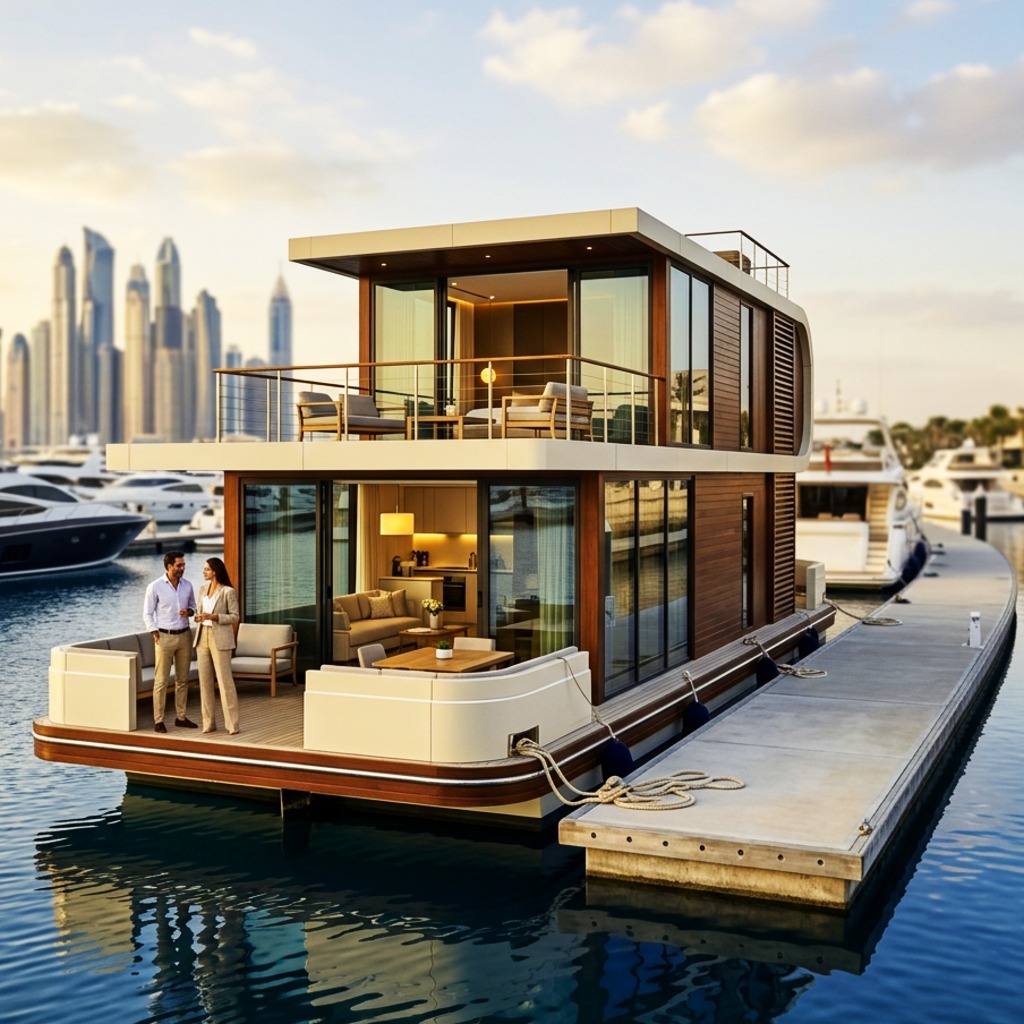
Maintenance & Tech
Wood, gel coat, leather, fabric — what survives the Gulf, what doesn't
Material specification on a UAE-bound houseboat is a different problem than in temperate climates. Heat, UV, salt, and humidity reward some choices and punish others quickly.
Maintenance & Tech
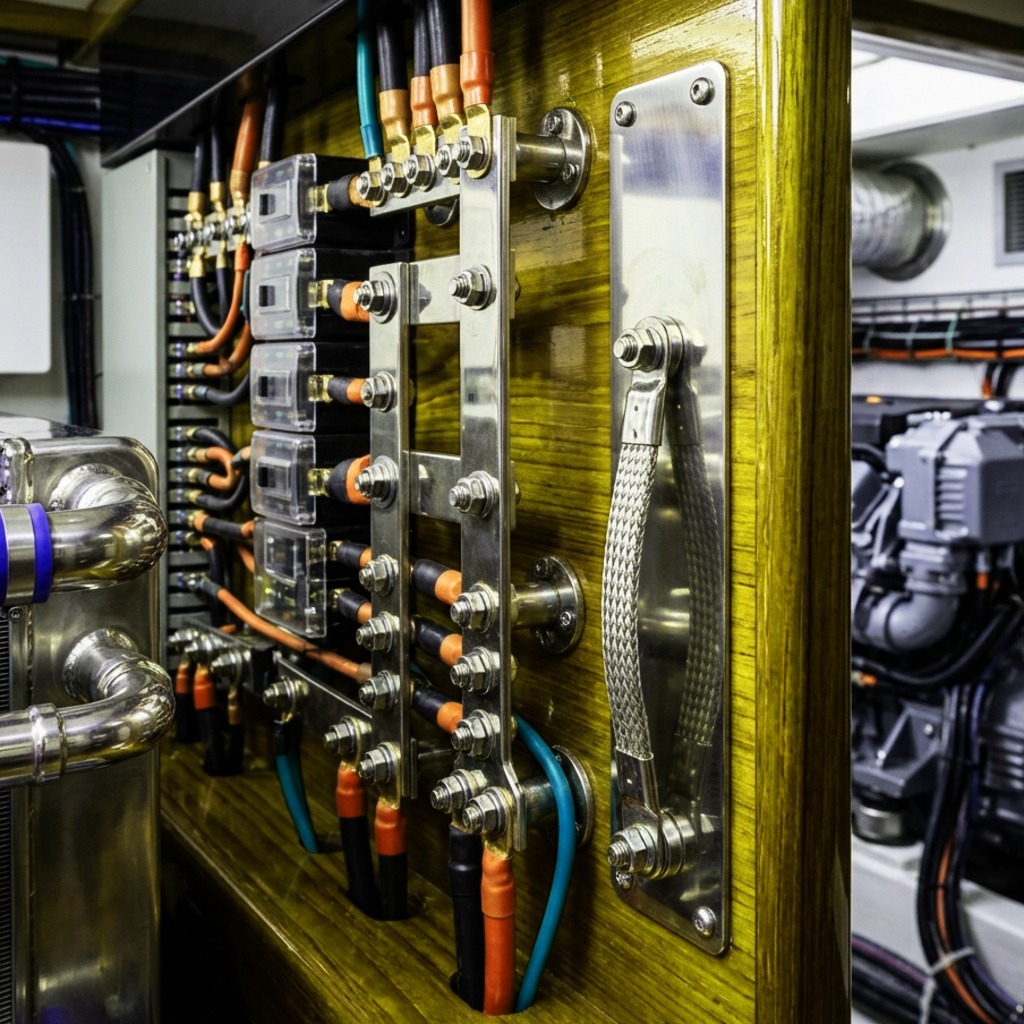
The case for hybrid drives in houseboats — silent overnight, predictable economy
Hybrid diesel-electric installations on houseboats deliver silent overnight operation and meaningful fuel savings. The realistic version: where they win, where they don't.
Maintenance & Tech
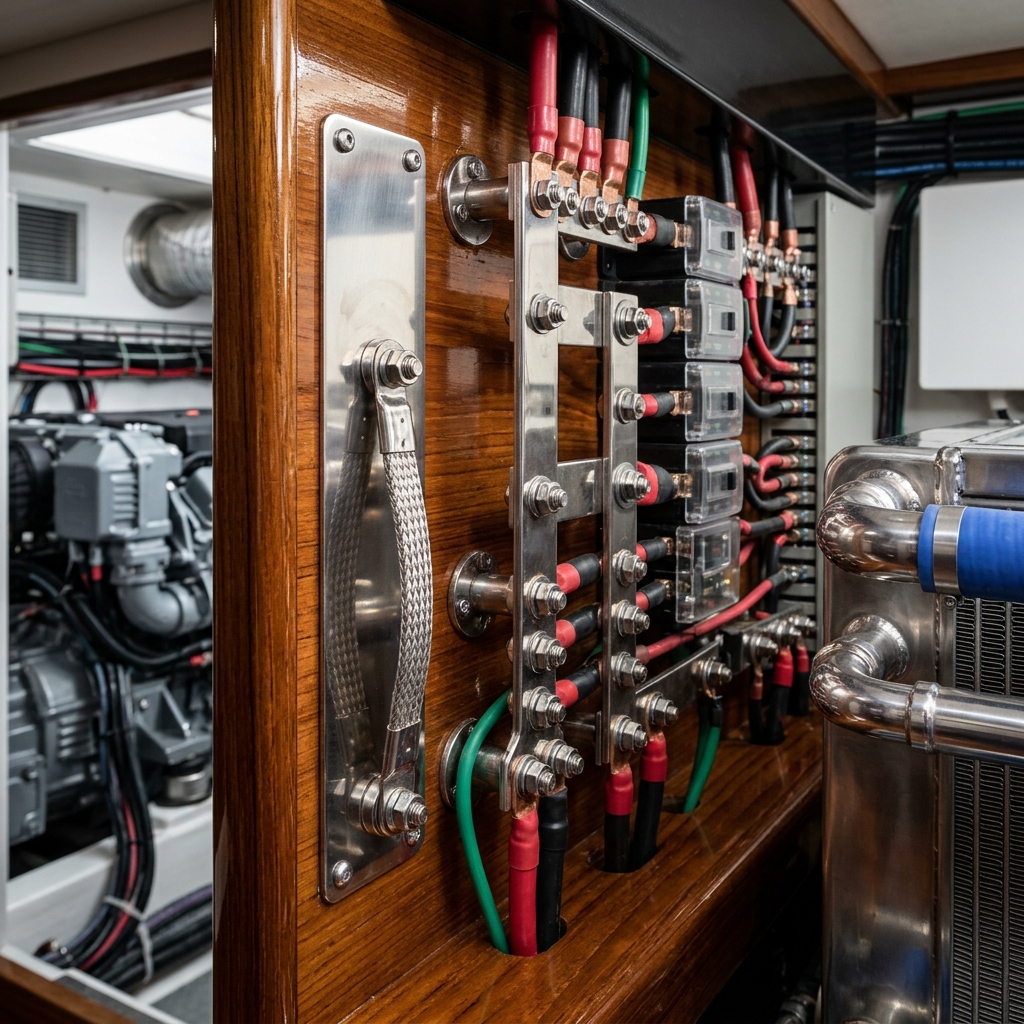
Why Gulf summers ask more of your boat (and how to plan for it)
Heat, humidity, salt, and dust — the combination that defines maintenance in the UAE. A practical primer on what to inspect, when, and why.